 Artificially generated image
 11-Night Greek Islands Cruise from Marseille
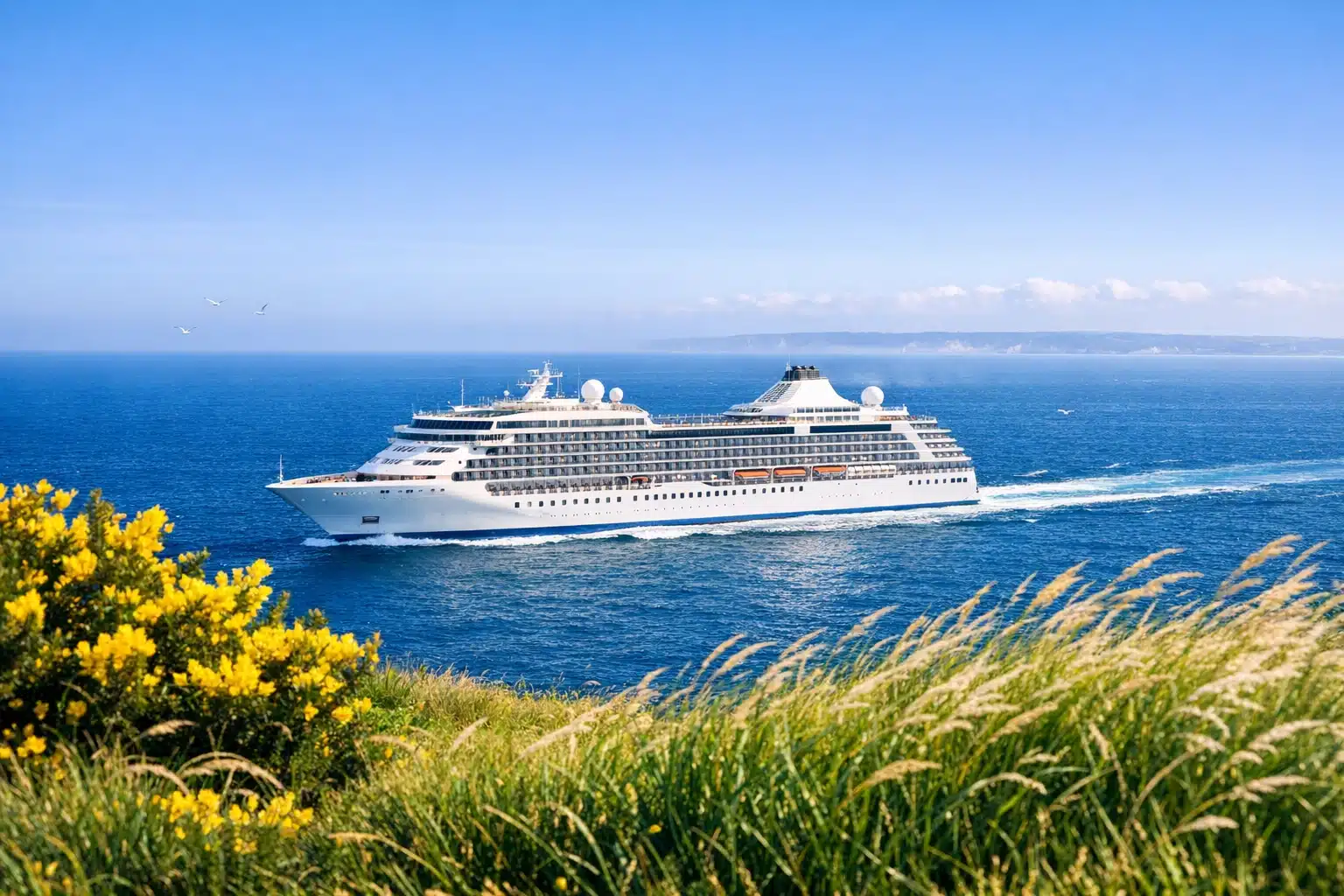
An 11-night Greek Islands cruise from Marseille turns a complex Mediterranean holiday into one flowing journey. It matters because many travelers want culture, coastline, and convenience without piecing together flights, ferries, and hotel check-ins. Leaving from southern France also reduces airport stress for many European guests and adds a relaxed pre-cruise city break. Once on board, the route opens the door to ancient ports, bright harbors, and long sea views that feel cinematic rather than hurried.
Outline:
1. Why departing from Marseille and sailing for 11 nights is such a practical format.
2. What a typical Greek islands itinerary may include, and how port experiences differ.
3. What life on board feels like, from cabins and dining to sea-day rhythm.
4. How to budget, choose the right season, and prepare intelligently.
5. Which travelers benefit most from this route, with a final conclusion for decision-making.
Why Marseille and Why 11 Nights Make Sense
Choosing Marseille as a departure port changes the tone of the trip before the ship even leaves the dock. Unlike a fly-and-cruise holiday that begins with baggage rules, airport queues, and the risk of missed connections, a departure from Marseille can feel more grounded and more flexible, especially for travelers already based in France, Spain, Italy, Switzerland, Belgium, or nearby parts of Europe. Marseille is well connected by high-speed rail, regional trains, motorways, and an international airport, which means the port is accessible in several ways. For many people, that alone removes a layer of friction from the holiday.
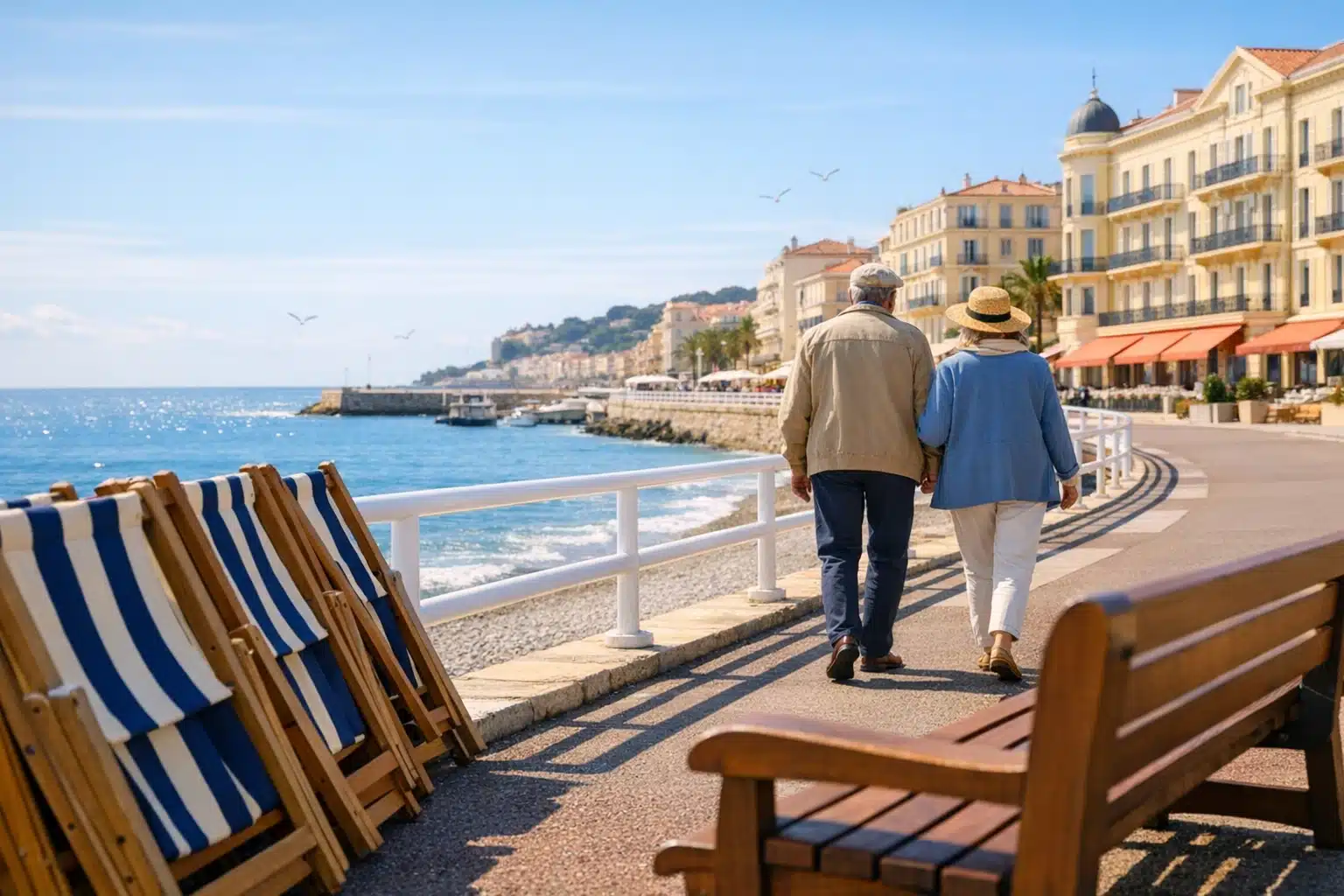
The city itself is also worth noting. Marseille is not just a place to board a ship; it is one of the oldest cities in France and a fascinating Mediterranean gateway. Travelers who arrive a day early can explore the Vieux-Port, visit Notre-Dame de la Garde, or simply sit by the waterfront and watch ferries, fishing boats, and cruise ships move across the harbor. It creates a soft landing into the Mediterranean mood. The transition from city streets to open sea feels natural here, almost as if Marseille has been introducing travelers to maritime adventures for centuries.
The 11-night format is important too. Shorter cruises can be enjoyable, but they often feel compressed. A 7-night sailing to the eastern Mediterranean may offer only a handful of port calls and limited time to settle into the ship’s rhythm. By contrast, 11 nights usually gives cruise lines enough time to include sea days, longer crossings, and a more rewarding mix of Greek destinations. Depending on the operator and season, the journey may cover well over 1,000 nautical miles in total, allowing passengers to see widely different coastlines without feeling rushed at every turn.
There is also a practical balance in this duration. It is long enough to justify the planning and the travel to the port, but not so long that it becomes inaccessible for travelers with limited annual leave. For couples, retirees, and multi-generational families, this length often hits a sweet spot between immersion and convenience.
Key advantages of this format often include:
• fewer transport changes than a land-based island-hopping trip
• a single room for the entire journey
• meals and entertainment bundled into the overall holiday structure
• the chance to sample several Greek destinations before choosing one for a future longer stay
In simple terms, Marseille offers the right launch point, and 11 nights offers the right tempo. Together, they create a cruise format that is neither hurried nor excessive, but sensibly expansive.
Typical Itinerary Highlights Across the Greek Islands
No two cruise itineraries are identical, and that matters when researching a Greek islands voyage from Marseille. Cruise lines may rotate ports according to season, berth availability, weather, and operating strategy. Still, many sailings in this category combine a western Mediterranean departure with a journey through parts of the Ionian, Aegean, or both. That means travelers often see not just “the Greek islands” as a single postcard image, but a collection of places with very different personalities.
Some itineraries include stops such as Corfu, Katakolon, Piraeus for Athens, Mykonos, Santorini, Rhodes, Heraklion, or occasionally other islands and nearby eastern Mediterranean ports. Corfu tends to appeal to travelers who enjoy Venetian architecture, green landscapes, and a town that invites relaxed walking rather than frantic sightseeing. Santorini, by contrast, is a visual event. The cliffs, white buildings, and caldera views are immediately dramatic, but it is also one of the ports where crowds can be intense, especially in high summer. Mykonos offers a different energy again: white lanes, windmills, fashionable cafés, and beaches that range from calm to lively.
For travelers interested in history, Athens and Rhodes are usually among the most significant calls. A port stop in Piraeus can open the door to the Acropolis, the Acropolis Museum, and layered historical narratives that stretch from classical Greece to the modern capital. Rhodes combines medieval walls, harbor views, and a stronger sense of fortification and strategic history. Heraklion, when included, can appeal to those curious about Crete and the Bronze Age legacy of Knossos.
One of the strongest arguments for this cruise style is contrast. In a single trip, you may move from cosmopolitan Marseille to the softer Ionian palette, then into the bright, rocky geometry of the Aegean. Dawn at sea can feel almost theatrical: pale light, quiet decks, and a horizon so clean it looks drawn with a ruler. By lunchtime, that same day might become a practical archaeology visit, a harbor walk, or a swim stop nearby if the itinerary allows.
Travelers should also understand the limitations of cruise port calls. A ship visit gives a focused sample, not a full regional education. You may have six to ten hours in port, sometimes less. That is enough for highlights, local food, and atmosphere, but not enough to claim deep knowledge of each island. Still, this can be a strength rather than a weakness. A cruise acts like a reconnaissance trip, helping you discover where you may want to return.
When comparing itineraries, look closely at:
• number of Greek ports versus transit days
• whether the ship docks centrally or requires tender transfer
• arrival and departure times
• inclusion of iconic islands versus less crowded alternatives
• how many long sea passages are involved
The most rewarding itinerary is not always the one with the longest port list. Often, it is the one with the best rhythm and the most thoughtful balance between famous stops and manageable pacing.
Life on Board: Comfort, Rhythm, and the Value of Sea Days
For first-time cruisers, the ship itself can be difficult to evaluate because brochures naturally emphasize destinations. Yet on an 11-night cruise, onboard experience matters just as much as the ports. You are not simply booking transportation; you are choosing your floating hotel, restaurant district, viewing platform, and evening venue for nearly two weeks. That means cabin choice, ship size, dining style, and crowd profile can significantly shape the trip.
Cabins are usually available in interior, ocean-view, balcony, and suite categories. Interior cabins are the most budget-friendly and can suit travelers who treat the room as a place to sleep and shower. Ocean-view cabins provide natural light, which many guests appreciate on longer cruises. Balcony cabins are often seen as the emotional upgrade: a private outdoor space for coffee at sunrise, a quiet read in late afternoon, or a final look at a harbor after dinner. Whether that premium is worth paying depends on budget and habits, but on a scenic Mediterranean route, many travelers feel they use a balcony more than expected.
Ship size creates another useful comparison. Larger ships generally offer more restaurants, more entertainment venues, bigger pool decks, and a wider choice of cabins. They may suit families and passengers who enjoy activity, variety, and a livelier atmosphere. Smaller or mid-sized ships often feel calmer and can sometimes access ports or docking arrangements that suit a more intimate style of travel. They may appeal to travelers who prioritize destination focus and a less crowded onboard environment. Neither option is universally better; it depends on personality.
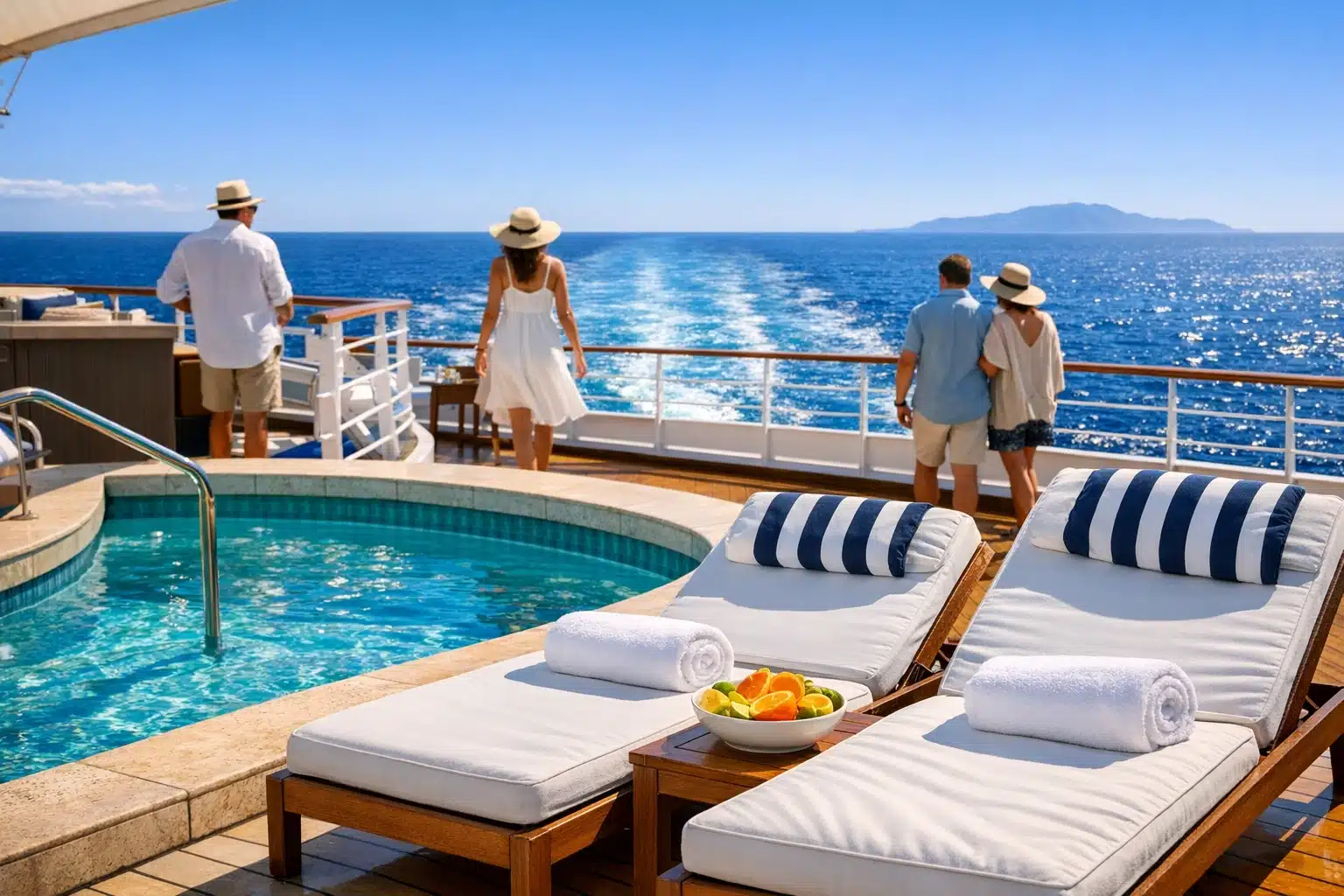
Sea days are often underestimated by people who have never cruised. On paper, they can look like blank spaces between real attractions. In practice, they give the trip breathing room. After several port days, many guests welcome a morning without alarms, buses, or museum opening times. Sea days are when people settle into a personal rhythm: breakfast on deck, a lecture or cooking demo, a book by the pool, a slow lunch, perhaps a spa treatment, then dinner and a show. The ship stops feeling like a machine and starts feeling like a temporary neighborhood.
Typical onboard features may include:
• buffet and main dining options, often with specialty restaurants at extra cost
• theater productions, live music, quizzes, or cultural talks
• fitness areas, pools, and wellness spaces
• kids’ clubs or teen programs on family-oriented ships
• excursion desks and guest services for port logistics
It is also worth remembering that onboard pricing models vary. Some cruises include basic dining and entertainment but charge extra for premium drinks, specialty restaurants, Wi-Fi, spa access, or selected activities. Read the fare structure carefully before comparing deals.
At its best, life on board creates the invisible framework that makes the itinerary enjoyable. The ports provide the headlines, but the ship writes the everyday story in between.
Budget, Timing, and Smart Planning Before You Book
A Greek islands cruise can look straightforward when viewed as a single package price, but a realistic budget requires a closer look. The base fare usually covers accommodation, standard meals, and core onboard entertainment, yet total trip cost often rises through add-ons. That does not mean cruises are poor value; in many cases they compare well with land-based island hopping. It simply means travelers should judge the holiday by full cost rather than headline fare.
The main extras can include port taxes, gratuities, drinks packages, specialty dining, shore excursions, travel insurance, transfers, Wi-Fi, and spending in port. On some lines, gratuities are added automatically per person per day. Drinks packages can be useful for travelers who regularly consume coffee specialties, soft drinks, cocktails, or wine, but they are not always worth the expense for light users. Shore excursions sold by the cruise line offer convenience and a layer of coordination, though independent touring can sometimes be cheaper if researched carefully and timed responsibly.
Season matters enormously. The Mediterranean cruise season typically stretches from spring into autumn, with the strongest demand in summer. July and August usually bring the hottest weather, school-holiday crowds, and often higher prices. May, June, September, and early October are frequently considered attractive shoulder periods because the climate is still pleasant while ports may feel less congested. Sea conditions, temperatures, and opening hours can vary, so there is no universal perfect month, but shoulder season often offers a persuasive balance.
When preparing, practical details deserve real attention:
• verify passport validity and any entry requirements well in advance
• arrive in Marseille at least one day before embarkation if possible
• check luggage rules, embarkation windows, and terminal information
• pack for layered weather, because deck breezes and inland heat can differ sharply
• bring comfortable walking shoes for cobbled streets and archaeological sites
Excursion strategy also affects both budget and enjoyment. A common mistake is overbooking every port with long organized tours. That can leave travelers tired by the midpoint of the cruise. A smarter approach is to mix full sightseeing days with lighter independent walks or beach-focused stops. If Athens is a priority, for example, it may deserve a structured tour. If the ship calls at a smaller island town, a self-guided stroll and lunch may be enough.
Another useful comparison is cruise value versus DIY planning. A land-based itinerary through several Greek islands can involve domestic flights or ferries, hotel changes, porterage, local transport, and seasonal availability issues. A cruise rolls those moving parts into one framework. The trade-off is less time in each place. Some travelers happily accept that exchange; others prefer fewer destinations with deeper stays. The right answer depends on travel style, not on a universal rule.
Careful planning turns this cruise from a tempting idea into a genuinely well-managed holiday. The more clearly you understand costs, timing, and pace, the more satisfying the voyage is likely to be.
Conclusion: Who This Cruise Suits Best and How to Decide
An 11-night Greek Islands cruise from Marseille is especially well suited to travelers who value variety, structure, and ease. It works well for people who want to see multiple destinations without repeatedly packing bags, studying ferry timetables, or coordinating a chain of hotel arrivals. Couples often appreciate the mix of scenery and convenience, retirees may like the stable pace and organized logistics, and families can benefit from onboard facilities that keep different age groups occupied between port days. For first-time Mediterranean visitors, it can be an excellent overview trip.
That said, this format is not ideal for everyone. Travelers who prefer long, unstructured stays in one village, who enjoy discovering local routines over many days, or who dislike fixed schedules may find a cruise too choreographed. If your dream is to spend a week on a single Greek island, return to the same beach café, and learn the neighborhood by memory, a land-based holiday may fit better. A cruise offers breadth rather than depth. Its strength lies in comparison, movement, and efficient sampling.
The strongest reason to choose this route is that it simplifies complexity without flattening the experience. You still get ancient landmarks, waterfront evenings, island architecture, local dishes, and the sensory pleasure of moving through the Mediterranean by sea. You simply do it with fewer logistical headaches. There is something quietly luxurious about waking up near a new coastline while your suitcase stays exactly where you left it.
If you are deciding whether to book, ask yourself a few honest questions:
• Do I want to experience several places on one trip?
• Am I comfortable with fixed embarkation and departure times?
• Do I value convenience enough to trade away longer stays in each port?
• Would I enjoy sea days as part of the holiday rather than as lost time?
For the target audience, the answer is often clear. If you are curious about Greece, short on planning patience, interested in comfort, and excited by the idea of seeing the Mediterranean unfold day by day from the deck of a ship, this itinerary is a compelling option. Marseille gives the journey a practical and atmospheric starting point, while 11 nights gives the route enough space to feel generous. It is not the only way to discover the Greek islands, but for many travelers it is one of the most approachable, balanced, and memorable ways to begin.