 Artificially generated image
 Rhine River Cruise Deals for Seniors: Itinerary and Travel Tips
A Rhine cruise can turn a European holiday into an easy rhythm of castles, vineyards, and old-town walks without the strain of packing and unpacking every day. For older travelers, that comfort matters as much as the scenery, especially when budgets, mobility, and pacing all shape the trip. This guide shows how to spot worthwhile deals, compare itineraries, and prepare for a journey that feels relaxed instead of rushed. Read on, and the river begins to look less like a luxury splurge and more like a well-planned reward.
Outline: This article begins with why the Rhine is especially appealing for senior travelers and how cruise pricing usually works. It then explores the main itineraries, including shorter scenic routes and longer cross-border journeys. After that, it compares deal structures, cabin categories, and common inclusions that affect real value. The final parts focus on practical travel tips and a concluding framework for choosing the right trip with confidence.
Why the Rhine Appeals to Senior Travelers and How Cruise Deals Usually Work
The Rhine has a natural advantage for senior travelers because it combines variety with convenience. In a single sailing, passengers can wake up near medieval towns, pass vineyard-covered hills, and step into major cultural cities without carrying suitcases from one hotel lobby to another. River ships are also much smaller than ocean vessels, often carrying roughly 100 to 200 guests rather than thousands. That difference changes the mood of the journey. Dining rooms feel quieter, embarkation is simpler, and shore days are usually more direct because many docks sit close to city centers.
Compared with a land tour, a river cruise reduces several tiring transitions. There is no need to check in and out repeatedly, figure out train platforms every other morning, or coordinate luggage transfers across multiple destinations. For many older adults, this matters more than luxury branding. The real value is not only in the scenery but in the ease. At the same time, it is important to remember that river cruising is not automatically effortless. Ships may have narrow corridors, some older vessels have fewer elevators, and walking tours often involve cobblestones, slopes, and gangways that change angle depending on river conditions.
Deals for these cruises can look attractive on the surface, but the advertised fare is only part of the story. Some promotions focus on early booking, while others reduce prices closer to departure. Shoulder seasons, especially March, early April, and late October into November, often deliver better rates than peak summer. December holiday sailings can also be popular, though prices may climb because Christmas market cruises are in high demand. When comparing offers, seniors should look at what is included rather than focusing only on the headline number.
Common price differences often come down to these points:
• airport transfers included or not
• standard excursions versus premium small-group tours
• drinks at meals only or open bar packages
• gratuities covered or added later
• single supplements for solo travelers
• pre-cruise hotel nights bundled into the package
A bargain fare can become average once extra costs are added, while a slightly higher upfront price may end up being the better choice. In short, the Rhine works well for seniors because it blends gentle logistics with rich sightseeing, but getting the best deal requires looking past the brochure photo of a sunlit deck and reading the practical details with care.
Choosing the Right Rhine Itinerary: Short Scenic Routes, Classic Voyages, and Longer Extensions
Not all Rhine cruises feel the same, and the route has a major effect on pace, sightseeing style, and overall value. The classic itinerary often runs between Amsterdam and Basel, or the reverse, usually over seven or eight days. This route is popular for good reason. It links the Netherlands, Germany, France, and Switzerland, and it typically includes stops such as Cologne, Koblenz, Rüdesheim, Strasbourg, and Breisach. For first-time visitors, it offers an excellent overview without asking too much from the traveler. You unpack once, settle into a daily rhythm, and watch several regions unfold like pages in a well-bound travel journal.
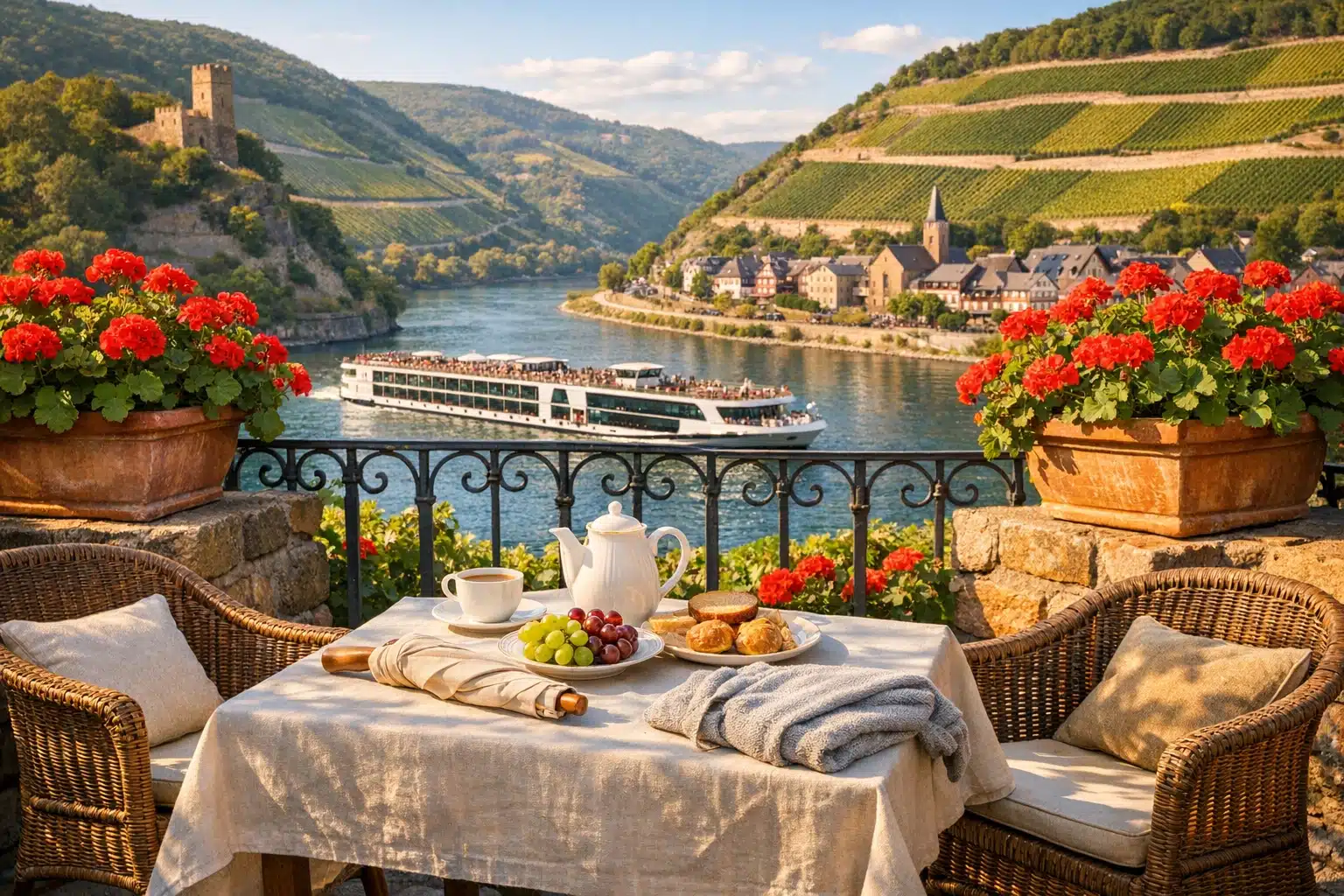
Shorter itineraries are often built around the Middle Rhine, especially the stretch between Koblenz and Rüdesheim. This is where many of the postcard scenes live: steep vineyards, ruined hilltop castles, church spires, and the famous Lorelei Rock. If the goal is scenery first and museum-hopping second, this segment is hard to beat. A shorter cruise can also suit seniors who want a gentler introduction to river travel or prefer combining a sailing with extra hotel days in one city. For example, a traveler might spend several nights in Amsterdam before boarding or end with a relaxed stay in Lucerne or Zurich after disembarking in Switzerland.
Longer itineraries, sometimes marketed as Grand European journeys, may connect the Rhine with the Main and Danube. These trips can run two weeks or more and cover a broader sweep of Central Europe. They are rewarding, but they are not automatically the best choice for every senior traveler. More days onboard can mean more value per travel day, yet the pace of sightseeing may become tiring if each port comes with a packed excursion schedule. The question is not simply, “How much can I see?” but rather, “How much do I want to do well?”
Season also shapes the itinerary experience:
• Spring brings tulips in the Netherlands and cooler walking weather.
• Summer offers long daylight hours but can mean higher fares and busier ports.
• Autumn adds harvest scenery and wine-focused appeal in German regions.
• Winter Christmas market cruises feel festive, though daylight is shorter and temperatures are colder.
Northbound and southbound sailings are broadly similar, but arrival and departure logistics can differ in cost. An open-jaw flight into one city and out of another may be priced differently depending on the traveler’s home airport. Seniors looking for a smart deal should match the route to their energy level, interests, and preferred season, because the most memorable itinerary is rarely the one with the longest list of stops; it is the one whose pace fits the traveler best.
How to Compare Cruise Deals Without Getting Distracted by the Lowest Advertised Fare
A low headline price has a magnetic pull, but on Rhine cruises the better deal is often the one with the clearest inclusions. Two voyages that seem similar at first glance can land at very different final costs once drinks, excursions, airfare, transfers, gratuities, and hotel nights are added. This is especially important for seniors who may value simplicity over chasing every optional add-on. A package that bundles the most relevant services can reduce stress before the trip even begins.
One of the best ways to compare offers is to build a simple side-by-side list. Instead of asking only what the cabin costs, ask what the traveler receives for the full travel experience. Some cruise lines include one excursion in every port, while others offer a broader menu with walking, coach, and active options. Some fares cover beer and wine at lunch and dinner, while others include a more flexible beverage program. Wi-Fi quality, though often overlooked, can matter a lot for travelers who want to keep in touch with family or manage travel documents online.
Cabin choice is another major pricing factor. On many river ships, entry-level cabins on the lower deck may have smaller windows placed higher on the wall, while upper-deck cabins often feature French balconies or full balconies. Seniors who expect to spend meaningful time in the room during scenic cruising may find the higher category worth the premium. On the other hand, travelers who plan to be in the lounge or on deck for most daylight hours may decide that a modest cabin is the smarter buy. Midship cabins can also appeal to those who prefer the least amount of movement, even though river ships are generally steadier than ocean ships.
Useful questions when comparing deals include:
• Are port charges already included?
• Is gratuity prepaid or added onboard?
• Are airport transfers free only on specific flight schedules?
• Is travel insurance bundled, optional, or not included at all?
• Does the solo fare involve a large single supplement?
• Are savings tied to nonrefundable deposits?
Some travelers also compare brands by style rather than price alone. Premium lines may offer larger cabins, more included dining or drinks, and a richer excursion program. Value-oriented operators may keep fares lower while still covering the essentials. Neither approach is automatically better. It depends on whether the senior traveler wants a more all-inclusive experience or is happy to pay selectively for extras. The wisest comparison is not between the cheapest and the costliest cruise, but between the cruise that looks affordable and the one that remains comfortable, transparent, and financially sensible after every likely expense is counted.
Travel Tips for Seniors: Mobility, Packing, Health Planning, and Day-to-Day Comfort on the River
Good planning can make the difference between a smooth Rhine cruise and a tiring one. The river may seem gentle, but daily travel still involves real-world logistics: airport lines, train stations, coach transfers, uneven streets, and gangways that can become steep when water levels change. Seniors do not need to avoid these trips, yet it helps to approach them with practical honesty. A walking tour described as “easy” may still include 45 to 90 minutes on cobblestones. A charming old town can also mean stairs, narrow lanes, and little chance to sit down at the exact moment your legs would prefer it.
Before booking, it is wise to ask clear mobility questions. Does the ship have an elevator serving all passenger decks? Are there accessible cabins? How long are the standard excursions, and are slower-paced alternatives available? Some cruise lines offer panoramic coach tours or “gentle walkers” options on selected departures, which can be very helpful. Another detail that matters on rivers is low or high water. In certain conditions, itineraries may be adjusted, ports may change, or passengers may transfer between ships. This is not common on every trip, but it is a known reality of European river cruising and worth understanding in advance.
Packing is easier when travelers think in layers instead of outfit changes for every photo stop. The Rhine can be cool in spring mornings, warm by afternoon, and breezy on deck in the evening. Comfortable shoes are essential, and this is not the trip for stiff new footwear. A light rain jacket, compact umbrella, and small day bag usually prove more useful than formal extras that never leave the closet.
A practical senior travel checklist:
• carry medications in original containers in hand luggage
• bring copies of prescriptions and emergency contact details
• use a credit card with low foreign transaction fees if possible
• keep some euros in small denominations for cafés or restrooms
• pack compression socks for long flights if they are already part of your routine
• arrive a day early when crossing time zones to reduce fatigue
It also helps to pace the journey with intention. No rule says every excursion must be taken. Some of the best moments on a river cruise come from staying onboard with a coffee, watching villages slide past, and letting the landscape do the storytelling. Seniors who travel most comfortably are often those who resist the pressure to turn every stop into a checklist. The Rhine rewards curiosity, but it also rewards calm.
Conclusion for Senior Travelers: How to Choose a Rhine Cruise That Feels Worthwhile, Comfortable, and Realistic
For senior travelers, the best Rhine cruise deal is rarely the one shouting the loudest in an advertisement. It is the one that fits personal energy, budget, interests, and comfort needs without hiding important trade-offs. A shorter sailing may be perfect for someone who wants the scenic heart of the river without a demanding schedule. A classic Amsterdam-to-Basel route can suit travelers seeking a balanced first experience. A longer itinerary may be wonderful for those who enjoy extended travel and do not mind a busier sequence of excursions. There is no universal winner, only a better match.
The strongest planning approach is to decide on priorities before comparing prices. If mobility support matters most, examine excursion descriptions and ship layout first. If budget is the main concern, compare total trip cost rather than cabin fare alone. If scenery is the dream, focus on routes that emphasize the Middle Rhine and time on deck during daylight cruising. If holiday atmosphere matters, Christmas market departures may justify a premium. Once these priorities are clear, the decision becomes less emotional and far more practical.
A simple decision framework can help:
• Choose your season based on weather tolerance and pricing goals.
• Pick the route that matches your preferred trip length.
• Check all inclusions before assuming one fare is cheaper.
• Review mobility details with the cruise company or travel advisor.
• Leave room in the schedule for rest before and after the sailing.
There is also something reassuringly timeless about the Rhine itself. Castles still stand watch over the hills, cathedral cities still gather life around their squares, and vineyard towns still seem to lean toward the water as ships pass by. For many older travelers, that combination of beauty and structure is exactly the point. You are not racing across Europe; you are moving through it at a pace that lets details settle in.
If you are planning this kind of trip for yourself, for a parent, or for a couple entering retirement with a new appetite for travel, the smartest choice is the one that promises enough comfort to make discovery enjoyable. A well-selected Rhine cruise can offer cultural depth, manageable logistics, and memorable scenery without asking too much in return. That is what makes it such a compelling option for seniors: not just the deal, but the balance between value, ease, and the quiet pleasure of seeing Europe unfold from the water.