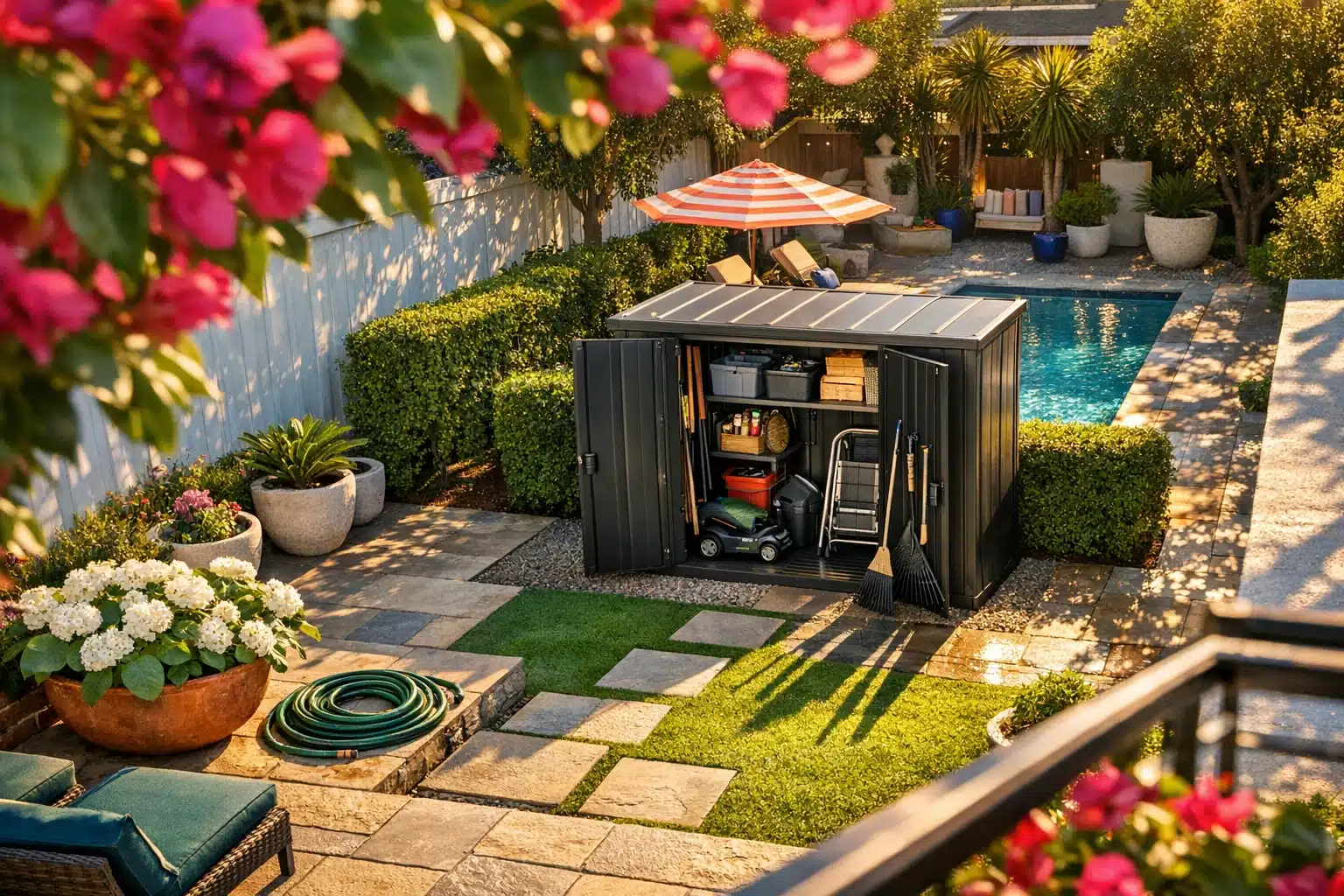
 Artificially generated image
 Walmart Is Clearing Out These Outdoor Storage Sheds
A cluttered backyard has a way of sneaking up on you. One week it is a hose, a bag of potting soil, and two folding chairs; the next, the patio looks like a garage sale that never packed up. That is why outdoor shed clearance events matter: they can turn a messy corner into useful storage without the cost of a major renovation. When Walmart marks down seasonal sheds, shoppers get a chance to solve a real household problem with a more sensible budget.
Outline: Why Shed Clearance Matters and What This Article Covers
Outdoor storage is one of those home upgrades that seems optional until daily life starts spilling into the yard. Garden tools lean against the fence, pool chemicals take over the porch, and children’s ride-on toys somehow multiply overnight. A storage shed does not create more land, but it can create more order, and that is often the difference between a backyard that feels usable and one that feels crowded. When a major retailer like Walmart clears out outdoor storage sheds, the event matters because these are bulky, seasonal products that can carry meaningful price reductions when retailers rotate inventory.
Clearance shopping, however, is not automatically smart shopping. A low price on a shed with thin panels, poor ventilation, or an awkward door opening can become a frustrating compromise instead of a genuine value. That is why this topic deserves a closer look. The appeal is not only the markdown itself. It is also the timing. Seasonal transitions often bring the widest mix of options, from compact vertical sheds for tight side yards to wider utility models that can hold a mower, bins, and a shelf system without turning the interior into a game of storage Tetris.
This guide is structured to help readers move beyond the excitement of a clearance tag and into practical decision-making. It covers:
– the shed styles most likely to appear in marked-down listings
– the strengths and trade-offs of resin, metal, and wood-look designs
– the hidden details that affect long-term satisfaction, such as floors, ventilation, and door width
– the shopping checks that matter before purchase, including shipping, assembly, and placement
– the kinds of households that benefit most from buying now versus waiting for another retail cycle
The goal is simple: help shoppers make a storage decision that matches their space, climate, and budget. For homeowners, renters with yard access, gardeners, and families tired of stepping around equipment, a clearance shed can be a practical upgrade rather than a disposable seasonal buy. The rest of the article breaks that idea down in detail, so the next time a discounted shed appears in a Walmart listing or store aisle, you can judge it with the calm eye of a planner rather than the rushed hand of an impulse buyer.
The Outdoor Storage Shed Types Most Likely to Show Up on Clearance
When retailers clear outdoor storage inventory, the discounted selection usually includes several familiar categories. Understanding them helps shoppers avoid buying a shed that looks useful in a product photo but does not actually fit their needs. In broad terms, the clearance mix tends to include compact horizontal sheds, narrow vertical sheds, and mid-size utility sheds. Each solves a different problem, and each works best in a different kind of outdoor space.
Compact horizontal sheds are often chosen for patios, decks, and small side yards. These models are usually low and wide, which makes them a sensible fit for storing:
– seat cushions
– hand tools
– watering cans
– hoses
– small bags of soil or fertilizer
– trash and recycling bins in some cases
The biggest advantage of this style is accessibility. Because the profile stays low, it does not overwhelm a smaller yard or block a window line. It can also feel less like a “building” and more like a tidy storage fixture. The drawback is obvious: taller tools, folding ladders, and bulkier lawn equipment may not fit well. If the clearance price is attractive but your main goal is to store long-handled gear or a mower, this style can become a temporary fix rather than a true solution.
Vertical sheds are the space-saving specialists of the group. They are especially useful for narrow exterior strips beside a house, fence, or garage. Many are designed to hold rakes, brooms, pruners, and similar tools in an upright position. A vertical shed can be a strong value when square footage is limited, but buyers need to check shelf options and door swing carefully. A tall interior sounds generous until a narrow opening forces awkward loading every time you need something from the back.
Mid-size utility sheds are often the most interesting finds in clearance cycles because they serve the widest range of households. These are the models that can store lawn tools, sports gear, a push mower, pool supplies, seasonal decor, and stacked bins. Common footprints in this category often fall into practical backyard dimensions such as 4×6, 6×4, or 8×6, though exact availability varies. For many buyers, this is the sweet spot: large enough to solve clutter, small enough to avoid the complexity of a full detached structure.
The key lesson is that the “best” clearance option depends on the job you need done. A low-profile shed can be ideal for patio storage, while a vertical unit may rescue a tight side yard. A mid-size model, meanwhile, is often the stronger long-term investment for households with growing storage needs. Walmart clearance browsing becomes much more productive when shoppers identify their true storage problem before they click into dimensions and price tags.
How to Compare Resin, Metal, and Wood-Look Sheds Without Guesswork
Once size is narrowed down, material becomes the next major decision. This is where many shoppers get distracted by appearance, when the more important questions involve weather resistance, upkeep, and day-to-day usability. Outdoor sheds sold through large retailers commonly fall into resin, metal, or wood-look categories, and each material comes with a different maintenance story.
Resin sheds are popular because they are generally low-maintenance and resistant to common issues like rot, rust, and insect damage. For many households, that makes them a practical fit. They usually clean up with soap and water, and they often hold their shape well when assembled on a level base. Resin also works well for buyers who want a straightforward weekend project rather than a long-term refinishing commitment. Still, not all resin is equal. Better models typically have reinforced panels, stronger floors, and UV-treated surfaces that resist fading or brittleness over time. Lower-end versions can feel light, flexible, or less secure if loaded heavily.
Metal sheds attract buyers who want a traditional utility look and a structure that can feel sturdy for the price. A metal shed can be a sensible storage option, particularly for tools and equipment that do not require a polished interior finish. But the details matter. Thin steel panels may dent more easily, and some metal sheds can develop condensation if ventilation is weak. In humid climates, that can affect what you store inside, especially cardboard boxes, fabric cushions, or items prone to rust. Buyers comparing clearance models should not look only at the frame. They should also examine ventilation, roof design, and whether a floor is included.
Wood-look sheds, many of which are actually resin products with textured panels, aim to bridge utility and curb appeal. They are attractive for shoppers who do not want the shed to look overly industrial next to a patio, garden bed, or landscaped yard. These models can blend better with fences and outdoor furniture, which matters more than many people expect. A shed is a storage unit, yes, but it is also part of the visible backyard environment.
Beyond the main material, several feature comparisons deserve attention:
– door width, especially if storing a mower or large bins
– interior height for shelves and long-handled tools
– included floor panels versus base-only designs
– vents or windows for airflow and visibility
– lock compatibility for basic security
A shed should not be judged by surface appearance alone. The smarter comparison is functional: which material suits your climate, what you plan to store, and how much maintenance you are realistically willing to handle? A clearance price becomes far more meaningful when the material is right for the years after the receipt fades.
Smart Shopping Checks Before You Buy a Clearance Shed
A discounted shed can still become an expensive mistake if the full buying picture is ignored. Clearance pricing often grabs attention first, but the actual value depends on several practical details that are easy to miss in the excitement of finding a markdown. Before purchasing any outdoor storage shed, shoppers should slow down and check the total cost, setup requirements, and real-world fit for their property.
The first issue is total ownership cost. A shed may be marked down, yet still require additional purchases such as a foundation kit, anchor system, shelving, padlock hardware, or sealant for edge protection in certain conditions. Delivery can also change the math. Large, flat-packed sheds are heavy and awkward, and shipping fees or pickup logistics can erase part of the savings. If local pickup is offered, buyers need to confirm whether the packaging will fit their vehicle. A compact SUV may handle some smaller units, but mid-size shed boxes can be long, bulky, and far heavier than they appear in product images.
Assembly is the next major checkpoint. Many retail sheds are designed for home assembly, but that phrase covers a wide range of difficulty. Some resin units are manageable with two adults and basic tools, while larger or more rigid kits can require several hours, careful leveling, and much more patience than the cheerful instruction booklet suggests. Before buying, review:
– estimated assembly time
– number of people recommended
– whether the shed includes a floor
– the type of base needed under the structure
– whether anchoring is required in windy areas
Placement deserves equal attention. A shed should sit on a level, stable surface, and there should be room for the doors to open comfortably. Shoppers also need to consider drainage, sun exposure, and proximity to fences or property lines. In some neighborhoods, local rules or homeowner association guidelines may affect shed placement, height, or visibility. That is not the glamorous side of shopping, but it is the part that prevents headaches later.
Finally, read product reviews with a filter rather than blind trust. Look for patterns instead of isolated opinions. If multiple buyers mention flimsy hinges, confusing instructions, or roof leaks after heavy rain, that feedback is useful. If the comments mostly praise straightforward assembly and weather performance over time, that is valuable too. Clearance shopping works best when it combines price awareness with disciplined inspection. The goal is not just to buy a shed for less. The goal is to buy the right shed once.
Conclusion: Who Should Buy Now and How to Get the Most From a Clearance Shed
For the right buyer, a Walmart shed clearance can be one of those satisfying household purchases that improves daily life almost immediately. This is especially true for people who already know what they need to store and where the shed will go. If your yard tools are scattered, your garage is overflowing, or your patio furniture accessories migrate from chair to chair like uninvited guests, a discounted shed can restore order with surprising speed. The most successful buyers are usually not chasing a trend. They are solving a clear storage problem.
Shoppers who benefit most tend to fall into a few practical groups:
– homeowners who need a dedicated place for garden and lawn gear
– families managing sports equipment, outdoor toys, and seasonal supplies
– renters with private yard access who want non-permanent storage without a major build
– small-space households that need vertical or compact shed solutions
– budget-conscious buyers willing to assemble a unit themselves
On the other hand, some people should wait. If you are unsure about shed placement, if your climate demands a more heavy-duty structure than a light retail kit can offer, or if you need storage for very large equipment, it may be smarter to hold off and compare more robust options. A clearance purchase should fit both the budget and the intended use. Cheap and suitable are not always the same thing.
Once the shed is purchased, a little planning goes a long way. Group items by frequency of use, place heavier tools low, and add simple hooks or shelves if the model supports them. Keep moisture-sensitive items off the floor when possible, and leave enough clearance inside so retrieving one item does not require moving five others first. In other words, do not let the shed become a smaller version of the clutter problem it was supposed to fix.
The bottom line for shoppers is straightforward: clearance sheds are worth serious attention when they match your space, storage load, and willingness to assemble and maintain them. Walmart markdowns may create the opening, but careful comparison is what turns that opening into a smart buy. A well-chosen shed will not just hold tools and bins. It will give your outdoor space a little breathing room, and sometimes that is exactly what a busy home needs.