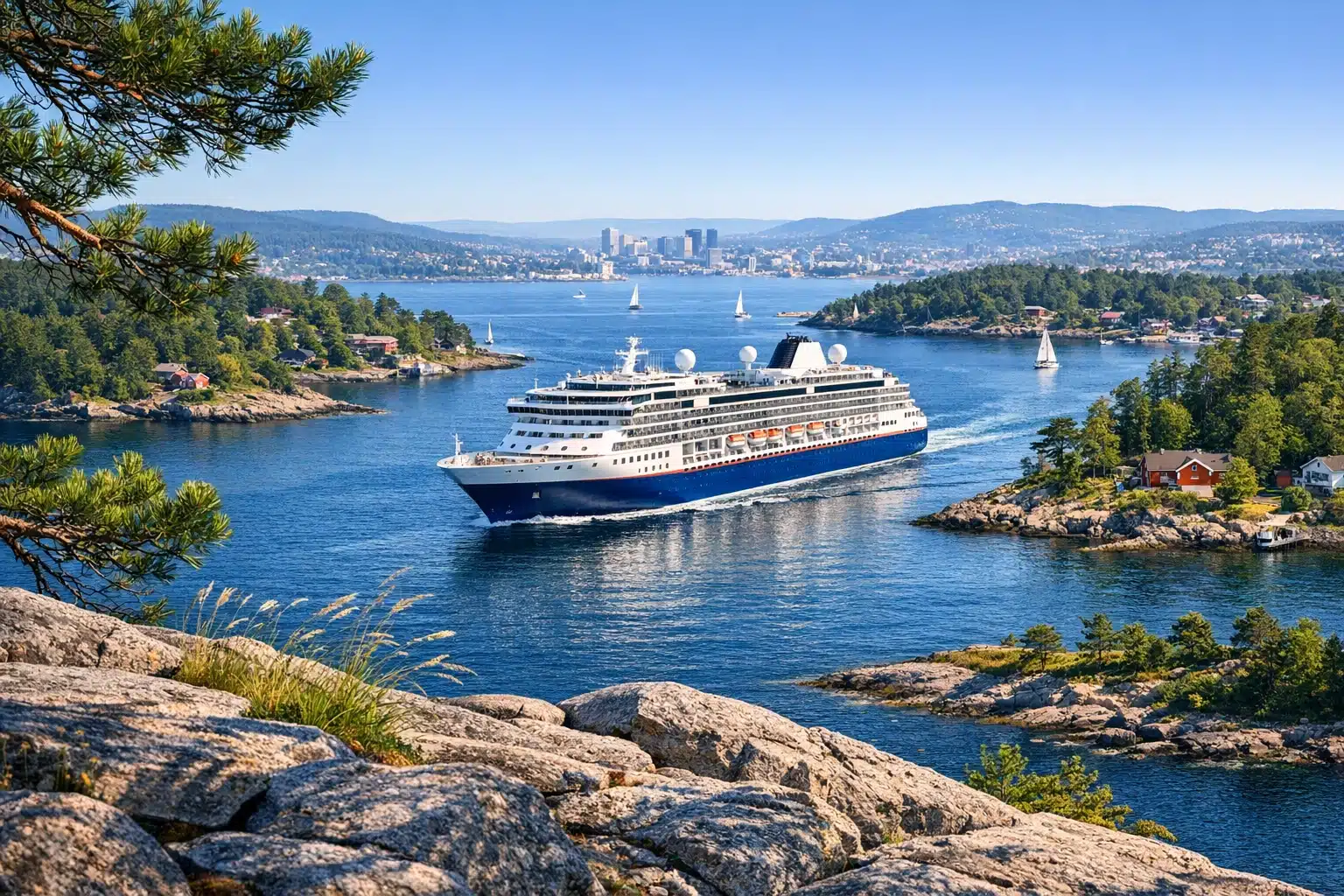
Two-Night Mini Cruise from Hull to Amsterdam: Itinerary, Tips, and Costs
A two-night mini cruise from Hull to Amsterdam appeals to travellers who want a real change of scene without committing to a long holiday. In one compact break, you enjoy the mood of an overnight ferry, a full day in a famous canal city, and the convenience of returning to the same cabin the following night. That mix of simplicity, atmosphere, and manageable cost makes the trip especially relevant for couples, friends, and first-time ferry passengers.
Outline
- How the two-night itinerary works from departure in Hull to return in Yorkshire
- What to consider before booking, including cabins, meals, documents, and timing
- How to use a limited day in Amsterdam without feeling rushed
- What the trip usually costs and how it compares with other short-break options
- Practical tips, packing advice, and a final verdict on who this mini cruise suits best
How the Two-Night Mini Cruise Itinerary Usually Works
The phrase two-night mini cruise can sound slightly mysterious until you break it down. In practical terms, it usually means boarding in Hull in the late afternoon or early evening, sailing overnight to the Netherlands, spending most of the next day in Amsterdam, returning to the ferry that evening, and then sailing back overnight to Hull. By the time you disembark the following morning, you have effectively fitted transport, a short city break, and two nights of accommodation into a single package. For many travellers, that compact format is the main attraction.
Most sailings on this route travel from Hull to Europoort, the ferry terminal near Rotterdam, rather than directly into Amsterdam itself. That matters because your day in Amsterdam typically includes a coach transfer arranged as part of the mini cruise package, although inclusions can vary by operator and booking type. After breakfast on board, passengers usually leave the ship in the morning and join onward transport for the final stretch to Amsterdam. Depending on traffic and the exact drop-off point, the transfer can take roughly 75 to 90 minutes, sometimes longer. This is why the trip feels organised and easy, but not entirely flexible in the way an open-ended rail pass or hotel stay would be.
The departure evening from Hull has its own rhythm. Once check-in is complete, you settle into your cabin, explore the ship, and start switching mentally from ordinary routine to travel mode. As the vessel moves down the Humber and into the North Sea, the journey becomes part of the holiday rather than a hurdle before it. On board, mini cruise passengers usually have access to restaurants, bars, shops, lounges, and entertainment spaces. Some ships feel like floating hotels; others are more functional. Either way, the overnight crossing is designed for comfort rather than speed, which is a big contrast with the compressed feel of flying.
Your time in Amsterdam is limited but useful. In many cases, you get several hours in the city, enough for a canal cruise, a museum visit, a walk through the central canal belt, and a relaxed meal if you plan well. The return coach generally leaves in the late afternoon or early evening, after which you head back to the ferry terminal, re-board, and repeat the overnight crossing. The following morning, you arrive in Hull and continue home.
Seen as a whole, the itinerary suits travellers who enjoy the journey itself. It is less about maximising hours on the ground and more about combining movement, scenery, and city exploration into one neat experience. If you expect a full Amsterdam weekend, you may find the day ashore too short. If you want a manageable escape that starts the moment you board, the format makes excellent sense.
Booking Choices, Cabin Options, and Planning Before You Sail
A mini cruise may be simpler than a longer holiday, but the quality of the experience depends heavily on a few early booking decisions. The most important is understanding what is included in the fare. Some offers bundle the cabin and coach transfers neatly into one price, while extras such as evening meals, breakfast, drinks, priority boarding, or upgraded cabins may cost more. It is worth reading the fare conditions carefully, because two deals that look similar at first glance can lead to very different final totals.
The next big choice is the cabin. Most travellers on a short crossing pick between an inside cabin and an outside cabin. Inside cabins are usually the cheapest and perfectly fine if you mainly want a clean, private place to sleep and shower. Outside cabins, with a window or porthole, feel more open and can be worth the extra money if you enjoy seeing the sea or simply dislike enclosed spaces. Upgraded cabins or premium options may add more space, better amenities, or a quieter location on the ship. That matters more than many first-time passengers expect, especially on the return night when you may be tired from a full day in Amsterdam.
Meal planning also deserves more attention than people often give it. Buying meal packages in advance can be cheaper and easier than deciding on board, especially during busy sailings. Evening dining options vary, but the general trade-off is straightforward: pre-booked meals offer convenience and predictability, while paying as you go can give you more flexibility. Breakfast on arrival morning is especially useful because it saves time before the transfer and helps you start the day in Amsterdam with some energy already in reserve.
- Book early if you want the lowest fares, especially for weekends, spring departures, and school-holiday dates.
- Check whether coach transfers are included or optional.
- Verify passport validity and entry requirements based on your nationality and current rules.
- Consider travel insurance even for a short break, particularly if you pre-book museums or excursions.
- Plan how you will reach Hull, including parking, rail connections, or overnight stays before departure if needed.
Timing matters too. Off-peak departures often offer better prices and a calmer atmosphere, while summer weekends can feel lively but more crowded. Couples may prefer midweek sailings for quieter public areas and better cabin availability. Groups of friends sometimes enjoy the busier weekend energy, especially if part of the appeal is the social side of being on board.
Compared with flying, a ferry mini cruise is usually slower but less fragmented. You avoid airport security rituals, baggage rules feel less stressful, and the cabin gives you a base for the whole trip. On the other hand, flights can offer more time in Amsterdam if your priority is squeezing in museums and neighbourhoods. The best booking choice therefore depends on what you value more: speed and urban hours, or a journey that already feels like part of the adventure.
Making the Most of Your Day in Amsterdam
The hardest part of a Hull-to-Amsterdam mini cruise is not getting there. It is deciding what to do once you arrive, because Amsterdam rewards slow wandering yet your stop is short. That means successful day plans are usually selective rather than ambitious. Instead of trying to conquer the entire city, focus on one or two areas and build a route that leaves room for delays, queues, and spontaneous moments, because Amsterdam has a talent for distracting you in the best possible way.
If this is your first visit, the classic approach is to begin near Amsterdam Centraal and explore the historic core on foot. From there, you can walk along the canals, cross into the Jordaan district, and continue toward Dam Square or the Nine Streets. This route gives you a strong sense of the city’s character without demanding complicated transport. Narrow houses lean over the water, bicycles flash past, bridges appear one after another, and even a simple coffee stop can feel cinematic. For many mini cruise passengers, that atmosphere is the point. You are not there to complete a checklist; you are there to absorb a place.
If museums are your priority, planning ahead becomes essential. The Anne Frank House generally requires booking well in advance, and the Van Gogh Museum and Rijksmuseum are also much easier if you reserve timed entry. Trying to improvise on the day can waste valuable hours. A canal cruise is another efficient choice because it combines sightseeing with rest. In about an hour, you can cover large parts of the city centre while learning a little history and giving your feet a break.
- For a first visit, choose canals, Jordaan, and a canal cruise.
- For art lovers, pre-book one museum and pair it with Museumplein or Vondelpark.
- For food-focused travellers, build in time for Dutch pancakes, fries, Indonesian-influenced rijsttafel, or a brown cafe lunch.
- For families or gentler pacing, keep the route compact and avoid cramming in multiple ticketed attractions.
Budgeting time is just as important as choosing sights. Allow for the return coach and avoid drifting too far from the agreed meeting point late in the day. Public transport in Amsterdam is good, but on a mini cruise the simplest option is often walking plus one tram ride if necessary. Contactless payment is widely accepted, though carrying a small backup card or some cash for minor purchases can still be sensible.
One smart strategy is to split the day into three blocks: a morning walk, one anchor activity, and a relaxed meal before returning. For example, you could start with the canal belt, take a midday cruise, then settle into a late lunch before making your way back. That structure helps you see plenty without the stressed feeling of racing against the clock. Amsterdam can reward deeper stays, certainly, but even in a single day it can leave an impression that lingers well after the ship reaches Hull again.
Costs, Extras, and Whether the Mini Cruise Offers Good Value
Cost is one of the main reasons people search for information about this route, and rightly so. A two-night mini cruise can look inexpensive in an advertisement, yet the real total depends on cabin type, travel date, meals, drinks, and what you choose to do in Amsterdam. The good news is that the pricing structure is usually easier to understand than a city break built from separate flights, hotel nights, baggage charges, and rail tickets. The less good news is that add-ons can change the picture quickly.
Base fares for mini cruises tend to be lowest when booked early and for off-peak departures. Weekend sailings, school holidays, special event dates, and last-minute bookings can be significantly higher. A useful way to think about value is to separate the trip into four baskets: transport, cabin, food, and city spending. Once you do that, the package becomes easier to judge.
- Transport and cabin: usually the core advertised fare, often the strongest value element of the trip.
- Food on board: can range from modest if you pre-book carefully to fairly high if you buy multiple meals and drinks spontaneously.
- Amsterdam spending: museum tickets, canal cruises, lunch, coffee, and local transport add up quickly.
- Extras: parking in Hull, cabin upgrades, travel insurance, and onboard shopping can quietly push the total higher.
As an illustrative guide rather than a fixed rule, budget-conscious travellers might spend roughly £120 to £200 per person on an off-peak trip if sharing an inside cabin and keeping city spending controlled. A more comfortable mid-range version with an outside cabin, pre-booked meals, and one paid attraction in Amsterdam might come closer to £180 to £320 per person. Travellers choosing premium cabins, restaurant dining, several drinks, parking, and multiple city activities can exceed that without difficulty. Solo travellers should pay special attention to pricing because cabin occupancy has a major effect on value; sharing usually makes the deal look much better.
How does that compare with flying? A low-cost flight plus one hotel night can sometimes beat the ferry on pure price, especially from airports with strong competition. However, flying rarely includes the experience of the crossing, and hotel rates in Amsterdam can be high enough to rebalance the comparison. The mini cruise also works well for travellers from northern England who can reach Hull easily and would rather avoid the extra complexity of an airport journey. In that sense, value is not just about pounds spent, but also about friction avoided.
The best way to judge the price is to ask what you want from the break. If you simply need maximum time in Amsterdam for the lowest possible cost, the ferry may not always win. If you want transport, two nights of accommodation, entertainment on board, and a city day wrapped into one easy product, the mini cruise often represents solid value, especially for pairs or small groups booking with realistic expectations.
Practical Tips and Final Verdict for Weekend Travellers
Once the booking is made, a handful of practical choices can make the difference between a smooth mini cruise and an awkward one. Packing is the first. Treat the trip like a hybrid of ferry travel and day excursion. You need enough for two nights on board, but you do not want to haul a heavy case around Amsterdam if you are carrying it off the ship for the day. A small overnight bag plus a comfortable day pack usually works best. Include layers for the sea crossing, comfortable walking shoes, a phone power bank, and weather-ready items for Amsterdam, where sunshine and drizzle can trade places in the same afternoon.
Seasickness is another issue people sometimes dismiss until they feel the ship moving. Crossings are often calm, but North Sea conditions can vary. If you are sensitive to motion, taking precautions early is smarter than trying to fix the problem once the ship is under way. Cabin location can help too; midship and lower decks often feel steadier than higher, forward cabins. None of this is dramatic, but it is the sort of detail that experienced ferry travellers remember.
Money and timing deserve equal care. Arrive at Hull with a margin of safety rather than cutting it close, because ferry check-in is not as forgiving as strolling into a café five minutes before a reservation. Keep travel documents easy to reach. On board and in Amsterdam, card payments are common, but checking fees from your bank and mobile roaming settings before departure is still worthwhile. Small oversights have a habit of becoming annoying when you only have one day ashore.
- Pack for a short voyage, not a long holiday.
- Wear shoes suitable for stairs on board and long city walks.
- Pre-book any must-see attraction in Amsterdam.
- Take the return coach time seriously and plan backward from it.
- Set a spending limit for food, drinks, and impulse purchases before you sail.
So who is this trip really for? It is an especially good fit for couples wanting a low-stress escape, friends planning a social weekend, and travellers in Yorkshire, the North East, or surrounding regions who can reach Hull without too much effort. It also suits people who enjoy travel as an experience in itself. The ferry gives the break a beginning, middle, and end; it feels like a small journey rather than a quick transaction. That emotional difference is hard to price, but many repeat passengers clearly value it.
It may be less suitable for travellers who dislike fixed schedules, want multiple full days in Amsterdam, or prefer the speed and flexibility of air travel. Yet for its intended audience, the two-night mini cruise remains a clever option: simple to understand, rich in atmosphere, and capable of turning a short window of free time into something that feels far larger. If you want a weekend that starts at the port rather than at the destination, this is the kind of trip that earns its place on the shortlist.