2-Night Cruise from Plymouth to St Malo: Route Overview, Itinerary Ideas, and Practical Tips
A 2-night cruise from Plymouth to St Malo offers a rare kind of short break: long enough to feel like genuine travel, yet simple enough to fit around work, school terms, or a free weekend. It pairs the convenience of departing from Devon with the pleasure of waking near Brittany’s historic coast, where cafés, granite lanes, and sea walls sit close to the port. For many UK travellers, that balance makes the route more relaxed than flying and more atmospheric than a fast dash by road. The guide below explains how the crossing works, what you can sensibly see, and which practical choices make the trip smoother.
The outline below shows how the article is organised before the detailed sections begin.
- What a 2-night Plymouth to St Malo cruise usually includes and how the route feels in practice
- How to choose cabins, meal options, travel style, and onboard routines for a more comfortable crossing
- How to plan time in St Malo, with itinerary ideas for walkers, food lovers, and first-time visitors
- What to know about documents, budgets, packing, local transport, and timing on both sides of the Channel
- Who this short sea break suits best, and how to decide whether it matches your pace and expectations
1. Route Basics and What a 2-Night Cruise Really Means
A Plymouth to St Malo 2-night cruise is often better understood as a mini-cruise or overnight ferry break rather than a conventional multi-stop cruise. That distinction matters, because expectations shape satisfaction. You are not booking a floating resort with several sea days and a new port every morning. Instead, you are choosing a compact travel format built around two nights on board and a concentrated period ashore in northern France. For many people, that is precisely the appeal. The journey feels purposeful, but it also leaves room for the pleasant rituals of sea travel: boarding at dusk, watching the coastline fade, sleeping while the ship makes progress, and stepping into a different country after breakfast.
The route links Plymouth in Devon with St Malo in Brittany across the western English Channel. Sailings vary by season and operator, so exact departure and arrival times can shift, but the pattern is usually straightforward: evening embarkation, overnight crossing, arrival the next morning, time in St Malo, then a return sailing later that day or the following evening depending on the package booked. In practical terms, that means the amount of time you spend in France can range from a single busy day to a more generous short stay. Anyone planning museum visits, restaurant reservations, or side trips should always check the latest timetable before treating a sample itinerary as fixed.
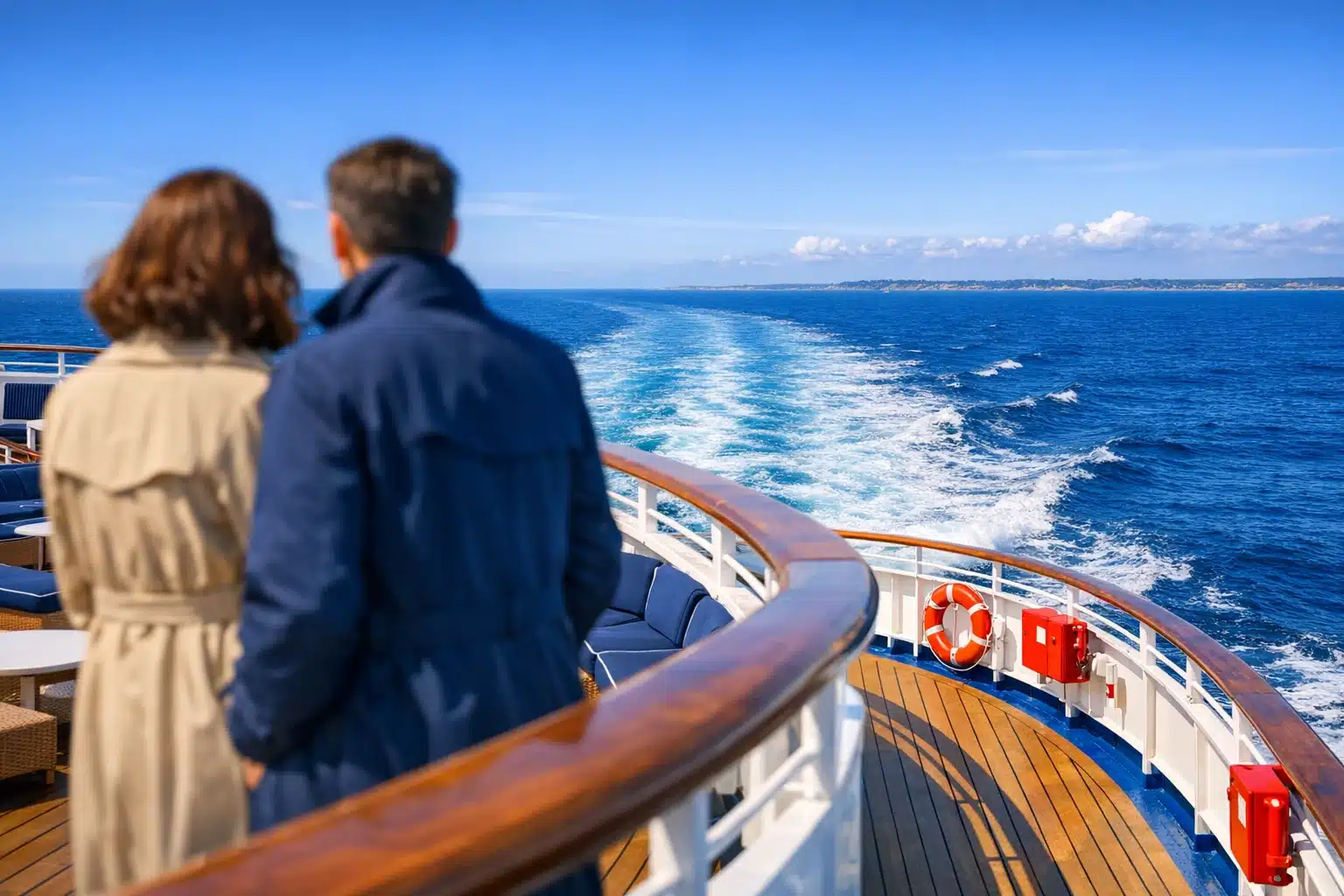
One of the strongest points of this route is the way it turns travel time into part of the holiday. Airports compress a journey into queues, announcements, and a rush to sit down. A mini-cruise stretches the experience instead. You unpack a little, eat on board, walk the deck, and wake closer to your destination. If the weather behaves, the departure from Plymouth can feel quietly cinematic, with the ship easing away from land as evening light settles across the water.
It is also worth knowing what this route does not promise. The Channel can be calm, but it can also be lively, especially outside high summer. That means travellers who are prone to motion sickness should prepare rather than assume a gentle crossing. The trip is comfortable for many passengers, but comfort rises sharply when expectations are realistic.
- Best for: short breaks, no-fly travel, couples, friends, and travellers who enjoy the journey itself
- Less ideal for: people wanting maximum time ashore or those who strongly dislike overnight travel
- Main appeal: easy access from southern England to a distinctive French port with atmosphere from the first hour
2. Booking Strategy, Cabin Choices, and Life on Board
Once you understand the format, the next decision is how to make the crossing work for your budget and comfort level. The most important choice is usually between simply securing passage and turning the ship into a proper part of the holiday. On a 2-night trip, that often means paying close attention to cabin type. A private cabin costs more than a reclining seat or lounge option, yet it can transform the experience. Even a compact inside cabin gives you a place to shower, charge devices, store bags, and sleep horizontally without interruption. For couples, older travellers, or anyone who wants to arrive reasonably fresh, a cabin is often money well spent.
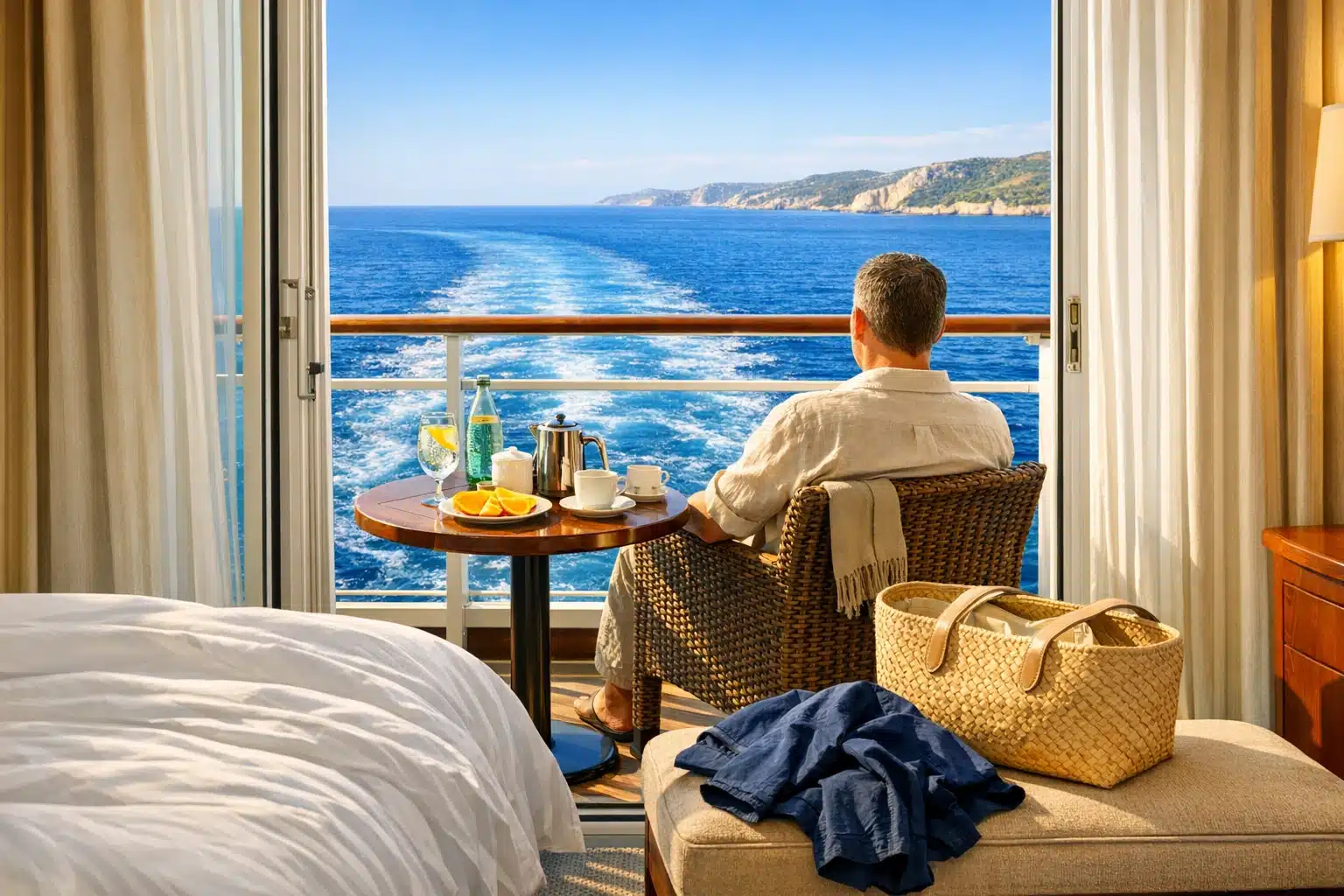
Outside cabins add a window or porthole, which some people value for natural light and a stronger sense of travel. The trade-off is simple: better atmosphere for a higher fare. Families or small groups should compare multi-berth cabin prices against booking separate spaces, because the difference is not always dramatic during quieter sailings. If you are travelling as a foot passenger, the cabin becomes even more useful, since you are less likely to have the fallback of supplies left in a car deck vehicle.
Meal planning is another area where a little foresight helps. Buying food spontaneously on board is perfectly workable, but pre-booked dining can sometimes save money and remove one decision from the trip. Still, flexibility has value too. Some travellers prefer a light meal before boarding, a drink on deck, and breakfast after arrival in St Malo. Others enjoy treating the ship as the first evening out of the break. Neither approach is inherently better; it depends on whether you want efficiency or occasion.
A smart booking strategy also accounts for the rhythm of the crossing. Think through these points before confirming:
- Do you want an early night, or are you happy with bars, lounges, and a slower evening on board?
- Are you travelling with a car, or will you explore St Malo as a foot passenger?
- Would a return with more time ashore justify a slightly higher fare?
- Are you sailing in school holidays, when cabins and vehicle spaces can fill much faster?
On the practical side, check-in windows often require arrival well before departure, commonly around 60 to 90 minutes in advance, though exact rules vary. Bring passports, booking details, and any required travel documents in an easy-to-reach bag rather than buried luggage. If you are sensitive to motion, pack remedies in hand baggage and take them before rough water becomes a problem. A short crossing can still feel long if you spend it trying to recover. Think of the ship less as transport only and more as a moving hotel with a timetable: once you do that, better decisions follow naturally.
3. Itinerary Ideas in St Malo for Different Travel Styles
St Malo rewards short stays because the essentials are close together and the setting is unusually dramatic. The old walled town, often called Intra-Muros, sits beside beaches, harbour views, and a compact street pattern that invites wandering rather than rigid scheduling. For many visitors arriving on a mini-cruise, the best plan is to accept that this is not a race. You will not see all of Brittany in a day, but you can absolutely build a memorable visit with the time available.
If it is your first trip, the classic itinerary is the strongest starting point. Walk or transfer into the old town, have breakfast or coffee, then circle the ramparts. The full wall walk is manageable for most people and offers shifting views of the sea, beaches, granite houses, and harbour traffic. At a relaxed pace, it can take roughly 45 minutes to an hour, longer if you stop often for photographs. After that, drift into the streets below for lunch, browsing, and unplanned pauses. This is a place where getting slightly lost is part of the pleasure. Stone façades catch the light differently as the day changes, and even a brief detour can uncover a bakery, a quiet square, or a small shop selling Breton biscuits, salted caramel, or local cider.
Travellers with a food focus can shape the day differently. Rather than trying to cover every landmark, build the visit around a sequence of places: a crêperie lunch, an afternoon stop for pastries, and a seafood dinner if time allows before the return sailing. Nearby Cancale is famous for oysters and can be a worthwhile side trip if your schedule is generous, but on a tight same-day turnaround it may be wiser to stay in St Malo and avoid rushing.
For walkers and coastal fans, there is another version of the day. Combine the ramparts with time on Sillon Beach or a seafront stroll beyond the historic core. The Bay of Saint-Malo has one of the largest tidal ranges in Europe, with spring tides often reaching around 12 metres, so the shoreline can look strikingly different over the course of a single day. That shifting edge between land and sea gives the town much of its character.
- Best first-time plan: ramparts, old town lanes, long lunch, beach or harbour walk
- Best for food lovers: market-style grazing, crêpes, cider, seafood, and a slower afternoon
- Best for active visitors: walls, waterfront, beach time, and a longer coastal walk
If your sailing gives you longer ashore, you can add Dinard by ferry or road, visit the cathedral, or spend more time simply absorbing the place. St Malo is not just a checklist destination. It works because the setting does some of the storytelling for you. One look from the walls on a bright, windy morning, and the trip begins to justify itself.
4. Practical Tips on Budgeting, Documents, Packing, and Local Logistics
The difference between an easy mini-cruise and a mildly stressful one usually comes down to preparation. None of the individual tasks is difficult, but overlooking small details can eat into a short trip very quickly. Start with the budget. Prices can vary widely depending on season, day of sailing, vehicle choice, cabin grade, and how early you book. Peak summer dates, school holidays, and premium cabins almost always cost more. Shoulder-season travel often offers better value and can also make St Malo feel less crowded. Instead of asking for the cheapest fare in isolation, compare the total cost of the trip, including parking in Plymouth, meals on board, transfers in France, and any shore-side spending you already know you will make.
For documents, a valid passport is essential. UK travellers should also keep an eye on entry requirements for short visits to France and broader Schengen rules, which typically allow up to 90 days in any 180-day period for tourism, though travellers should always confirm current guidance before departure. Travel insurance remains sensible even for a short crossing. A GHIC can help with some healthcare access, but it is not a substitute for comprehensive cover.
Packing well matters because you are dealing with both a ship and a shore excursion. Layers are your friend. Decks can be windy even when the port feels mild, and Brittany weather can change quickly. Comfortable walking shoes are more useful than fashion-first footwear if you plan to tackle cobbles, steps, and ramparts. Keep essentials in a smaller overnight bag rather than relying on a large suitcase.
- Passport and booking documents in hand luggage
- Any medication, plus motion-sickness remedies if needed
- A light waterproof or windproof outer layer
- Phone charger, plug adapter, and a small power bank
- A day bag for St Malo with water, sunglasses, and room for purchases
Local logistics are usually manageable, but timing matters. If you are a foot passenger, check how you will get from the port area to the old town before you arrive. Depending on the terminal, date, and service pattern, the simplest option may be a shuttle, taxi, bus, or walk of moderate length. If you are bringing a car, remember that old European port districts and historic centres can involve parking restrictions, one-way systems, or limited spaces. Pre-reading maps saves time later.
Finally, be realistic with your schedule. A short break is not improved by trying to squeeze in everything. Build in buffer time for disembarkation, boarding, and the possibility of weather-related adjustments. The smoother your timing, the more the trip feels like a coastal escape instead of a transport puzzle.
5. Who This Trip Suits Best and Final Thoughts for Planning a Smart Short Break
A 2-night cruise from Plymouth to St Malo suits travellers who value atmosphere, simplicity, and the quiet pleasure of crossing a border by sea. It works particularly well for couples wanting a compact getaway, friends looking for a break that feels sociable without requiring heavy planning, and solo travellers who enjoy a journey with built-in structure. It can also appeal to families, especially those who like ferries and want the adventure of sleeping on board, though younger children may enjoy it most when parents keep the ashore itinerary flexible. For people living in Devon, Cornwall, Somerset, or elsewhere in southern England, the route can be a remarkably efficient way to reach France without the ritual of airport security and baggage rules.
There are also travellers for whom this may not be the perfect choice. If your top priority is maximising hours in the destination, flying may still give you more usable time. If you dislike overnight transport, have very limited mobility, or know that rough seas seriously affect you, the romance of ferry travel may lose its shine quite quickly. Likewise, people hoping for a classic cruise experience with extensive entertainment, multiple port calls, and resort-style facilities should recognise that this is a different format. Its charm lies in compression, not scale.
That said, the mini-cruise has a quality that many short holidays lack: a sense of occasion from the start. The trip does not begin at the hotel check-in desk. It begins when you board, find your cabin, and feel the ship move away from Plymouth. By the time you reach St Malo, the travel itself has already created part of the memory. That is why the route continues to attract people who could choose faster options but deliberately do not.
For the target audience, the most practical advice is simple. Book around the amount of shore time you actually want, choose a cabin if rest matters to you, keep plans ashore selective rather than ambitious, and prepare for weather and timing with a calm margin. If you do that, this short sailing can deliver something many longer trips struggle to provide: a break that feels distinct, manageable, and genuinely restorative. In other words, if you want France close at hand and the journey to count for something, Plymouth to St Malo is an appealing way to go.